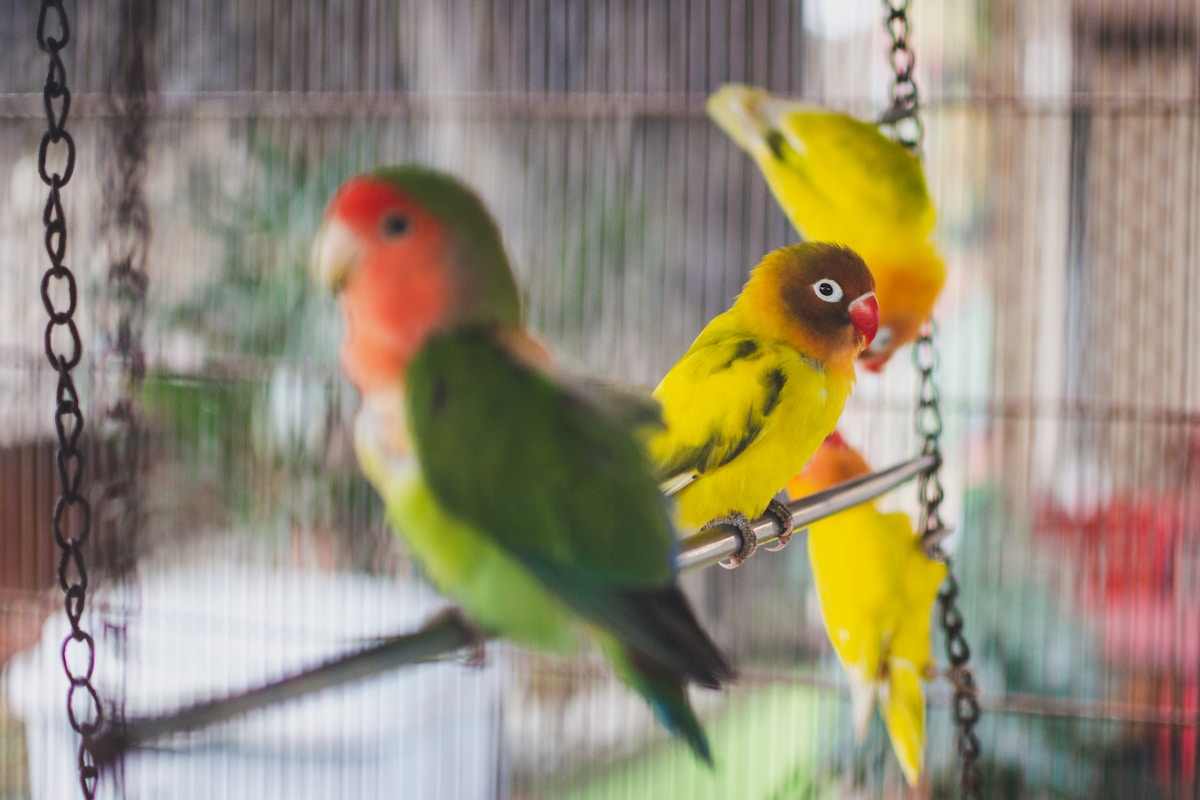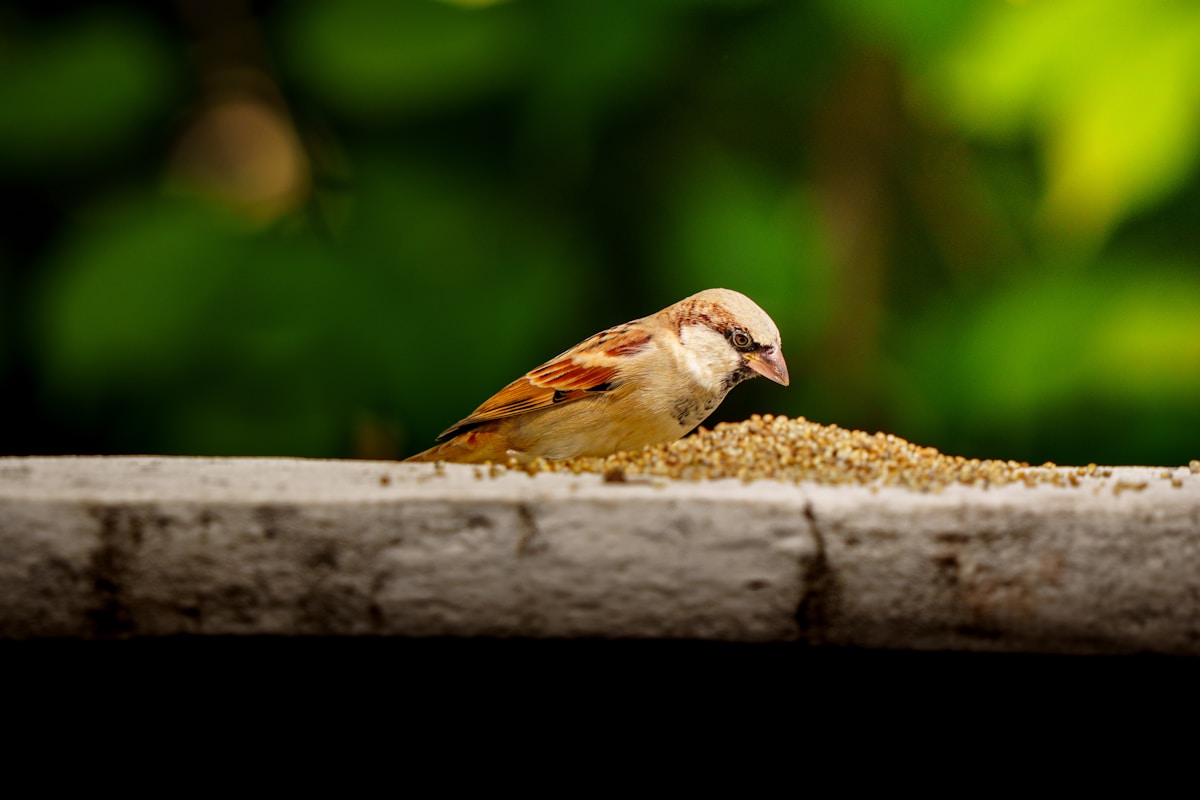
Birds are incredibly expressive animals. They communicate constantly through body posture, feather position, eye behaviour, vocalizations, and movement. The challenge for bird owners is learning to read these signals accurately. Misinterpreting a bird's body language can lead to bites, stress, and a strained relationship.
At Ajax Birding Co., reading bird body language is one of the first things we train our sitters to do. It informs every interaction we have with the birds in our care. Here is a comprehensive guide to help you understand what your bird is saying.
Feather Position
Feathers are one of the most reliable indicators of a bird's emotional state. Learning to read feather position will give you a real-time window into how your bird is feeling.
Relaxed, slightly fluffed feathers: This is the resting state for a content bird. Their feathers are soft, slightly puffed, and their posture is relaxed. This means your bird feels safe and comfortable.
Tight, slicked-down feathers: When a bird presses their feathers flat against their body, they are tense. This can indicate fear, anxiety, or discomfort. A slicked bird is on high alert and may bite if approached too quickly. Give them space and speak softly until they relax.
Fully puffed feathers: A bird that is extremely puffed up may be cold, trying to look larger to intimidate a threat, or unwell. If puffing is accompanied by lethargy, closed eyes, and sitting on the cage floor, it could signal illness and warrants a veterinary visit.
Ruffled feathers with shaking: After preening or bathing, birds ruffle and shake their feathers to settle them back into place. This is normal grooming behaviour. However, frequent feather ruffling outside of grooming contexts can indicate skin irritation or discomfort.
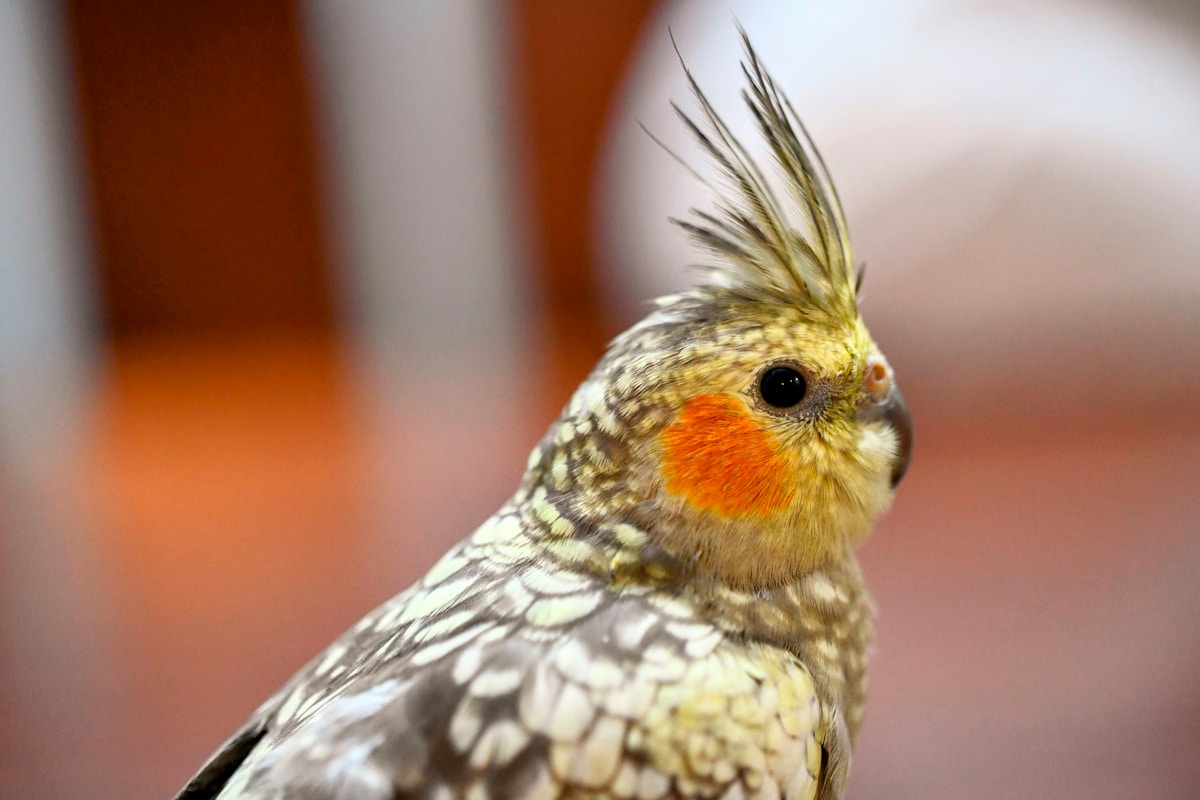
Raised crest (cockatoos, cockatiels): Crested species use their crest as an emotional barometer. A fully raised crest can mean excitement, curiosity, alarm, or aggression depending on context. A relaxed, half-raised crest indicates a calm, attentive bird. A flattened crest pressed tight against the head signals fear or submission.
Eye Behaviour
Birds use their eyes to communicate in ways that are subtle but significant once you know what to look for.
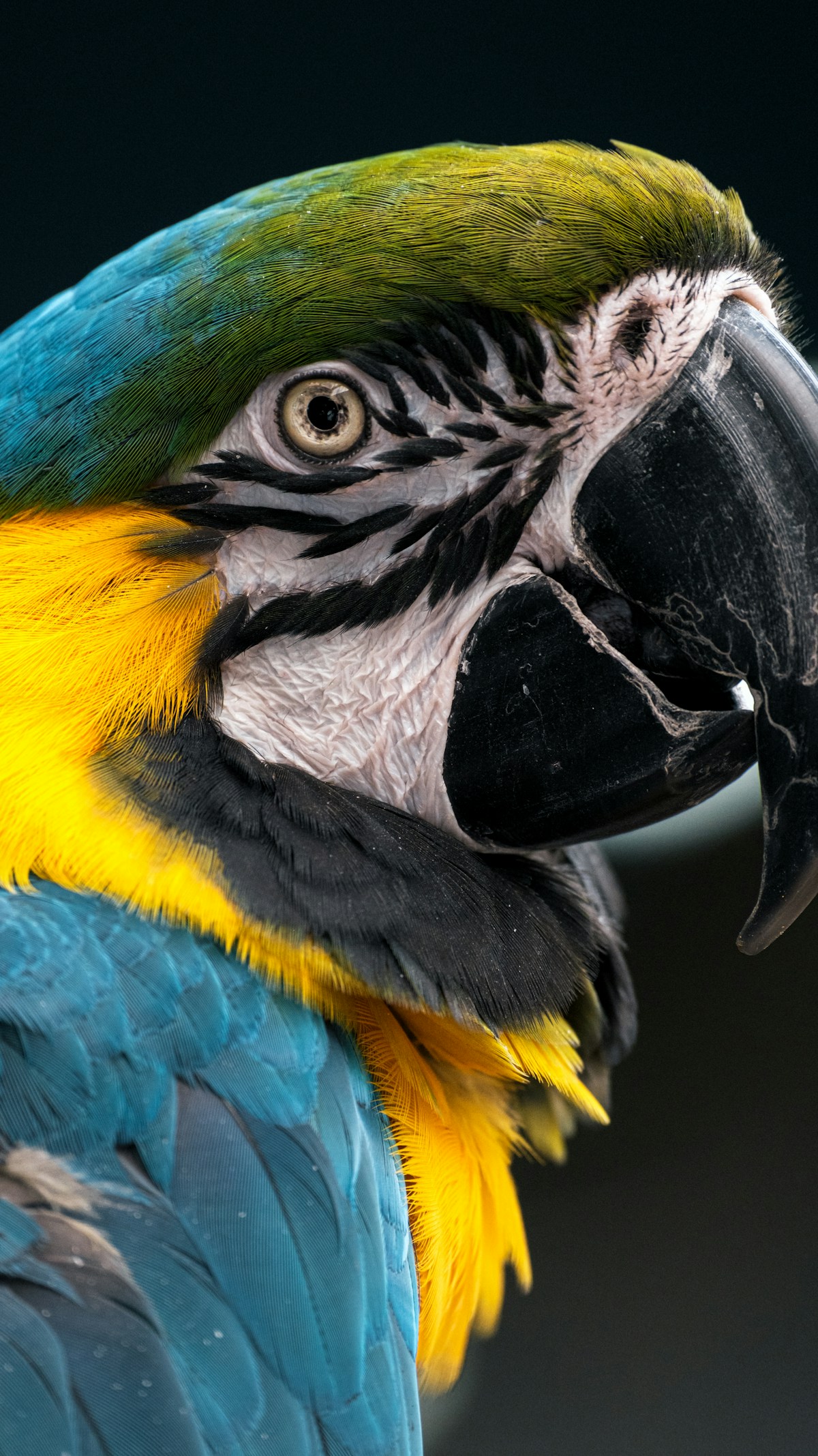
Eye pinning (pupil dilation): Many parrot species can voluntarily constrict and dilate their pupils, a behaviour called pinning. Rapid pinning often indicates excitement, which can be positive or negative. A bird that is pinning while vocalizing happily is excited in a good way. A bird that is pinning while lunging or flaring their tail is overstimulated or aggressive. Context is everything.
Slow blinking: Slow, relaxed blinks are a sign of trust and contentment. Some birds will slow-blink at their favourite humans as a bonding gesture. You can slow-blink back to reinforce the connection.
Wide, unblinking eyes: A bird with wide, fixed eyes is startled or frightened. They are locked onto a perceived threat and assessing the situation. Avoid sudden movements and speak calmly to help them de-escalate.
Body Posture
The way a bird holds their body tells you a lot about their mood and intentions.
Leaning forward with slightly raised wings: This bird wants to come to you. They are asking to step up or be picked up. It is an invitation, and responding positively reinforces trust.
Leaning back or turning away: The bird is not interested in interaction right now. Respect this boundary. Forcing contact when a bird is leaning away is a common cause of defensive biting.
Crouching with wings slightly out: This is a bathing posture. Many birds crouch and spread their wings when they want to be misted or are near a water source. Offer them a bath opportunity.
Standing tall on one foot: A bird standing on one foot with the other tucked into their belly feathers is relaxed and comfortable. This is a resting pose that indicates they feel safe in their environment.
Pacing or repetitive movements: Repetitive pacing along a perch or cage bars can indicate boredom, frustration, or anxiety. This is often a sign that the bird needs more enrichment, out-of-cage time, or social interaction.
Tail Signals
Tail wagging or fanning: Some species, particularly conures and macaws, wag or fan their tails when they are happy and excited. This is generally a positive sign, especially when accompanied by relaxed body posture.
Tail bobbing: Rhythmic tail bobbing that matches breathing can indicate respiratory distress, especially if the bird is also sitting with an open beak. This warrants immediate veterinary attention.
Tail flaring: Amazons and some other parrots fan their tail feathers wide when they are overstimulated or aggressive. Combined with eye pinning and raised nape feathers, a flared tail is a clear warning signal. Do not reach for this bird.
Vocalizations
Birds have an enormous vocal repertoire. While every individual is different, some patterns are consistent across species.
Contact calls: Short, repeated calls that your bird makes when you leave the room. They are checking that you are still nearby. Responding with a brief call or whistle reassures them without encouraging excessive screaming.
Happy chattering: Soft, varied sounds often made while eating, preening, or relaxing. This is the sound of a content bird and requires no action on your part except to enjoy it.
Screaming: Loud, sustained screaming can indicate boredom, attention-seeking, alarm, or frustration. Understanding the trigger is key to addressing it. Never yell back at a screaming bird, as this reinforces the behaviour by providing attention.
Grinding beak: The soft grinding or clicking sound a bird makes while settling in for sleep is a sign of deep contentment. It is the avian equivalent of a cat's purr.
Hissing or growling: Some species, particularly cockatoos and cockatiels, hiss or produce low growling sounds when they feel threatened. This is a clear warning to back off.
Beak Behaviour
Beak wiping: After eating or during general maintenance, birds wipe their beaks on perches. This is normal hygiene behaviour.
Beak clicking: Rapid, rhythmic beak clicking can be a sign of contentment or a request for head scratches, depending on the species and individual bird.
Open beak lunging: A bird lunging with an open beak is giving you a clear warning. They are telling you to back away. Respect this signal every time.
Putting It All Together
The key to reading bird body language is looking at the full picture. No single signal exists in isolation. A raised crest means something different when paired with relaxed feathers versus tight, slicked plumage. Eye pinning during play is different from eye pinning during a territorial display.
Spend time observing your bird in different situations: eating, playing, resting, interacting with family members, and encountering new objects. Over time, you will develop an intuitive understanding of their signals that makes your relationship richer and more responsive.
If you ever need help interpreting your bird's behaviour, the Ajax Birding Co. team is always happy to chat. Understanding your bird better is one of the most rewarding things you can do as an owner.